

Working together
Partnering for Community, Conservation & Culture
The Uihlein Foundation collaborates with public, non-profit, and private partners to protect biodiversity, expand community recreation, enrich educational opportunities, and strengthen local non-profit capacity.
We aim to lead and convene partner organizations with shared goals to advance key community and environmental priorities:
Environmental Conservation: Protect grassland habitats, headwater watersheds, and Adirondack forests and fields while preserving the pastoral beauty, open space, and natural resources of Foundation lands.
Agriculture & Land Use: Re-introduce sustainable agriculture to fallow farm fields.
Education & Cultural History: Create engaging educational programs for learners of all ages and interpret local history—focusing on the cultural legacy of Foundation lands and the contributions of Henry and Mid Uihlein.
Recreation & Sports: Promote winter sports programs and events, while enhancing trail connectivity and recreational opportunities across the Lake Placid region.
Get in Touch
We actively seek new partnership opportunities that benefit both Foundation lands and the broader community.
If you would like to learn more about collaborating with the Uihlein Foundation, please contact us.
Partners
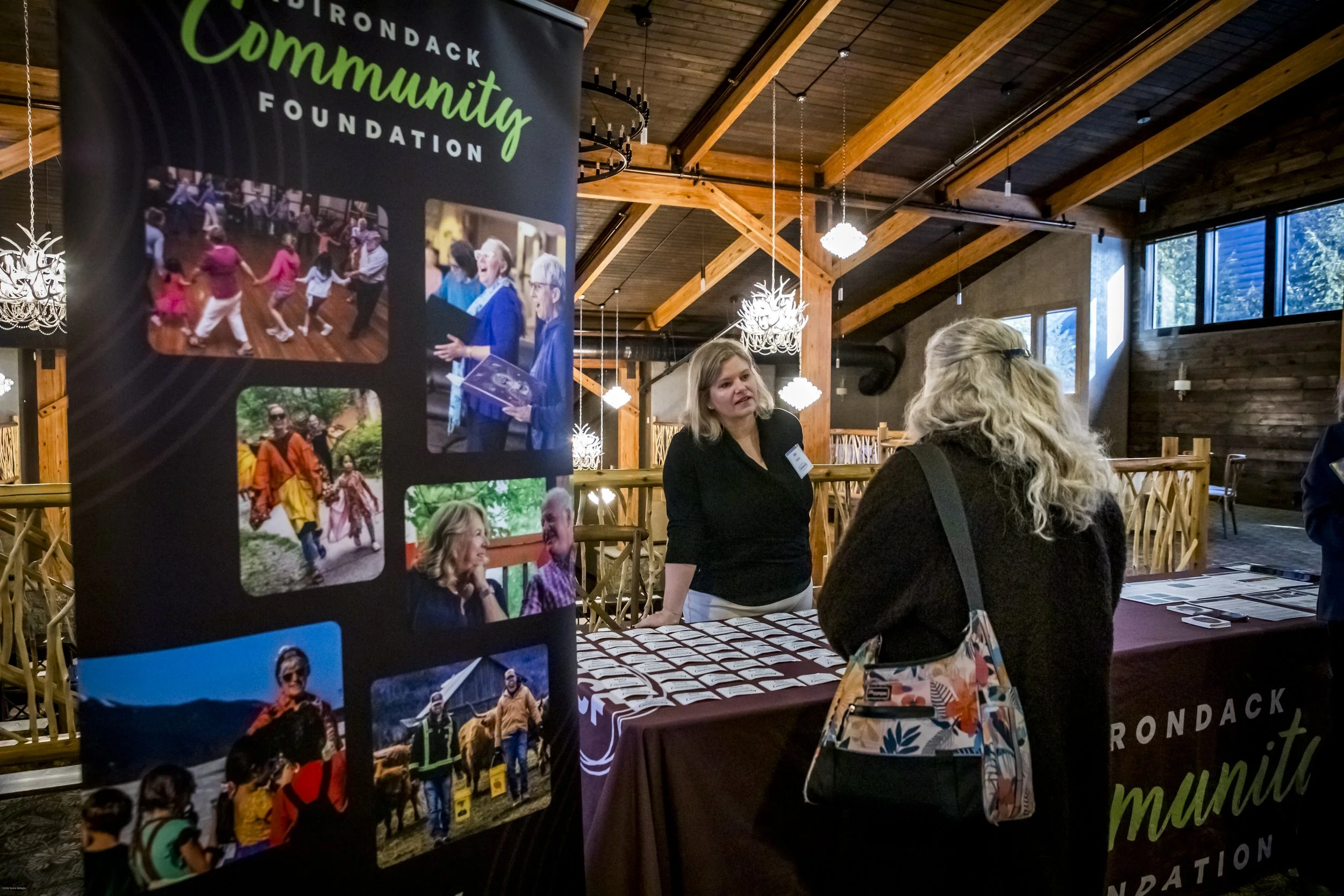
Adirondack Community Foundation
A community foundation serving the Adirondack Region since 1997, the Adirondack Community Foundation is a long-term tenant at Heaven Hill Farm and has been growing charitable assets to strengthen Adirondack communities.
“Every day, we at Adirondack Community Foundation are thankful to be among the many organizations to benefit from the foresight and generosity of Henry and Mildred Uihlein. We are honored to be partners in continuing their legacy through stewardship of the Uihlein-Ironman Sports Fund, as collaborators on local projects, and as tenants of what may be the most scenic office location in the Adirondacks.”
-Cali Brooks, President & CEO
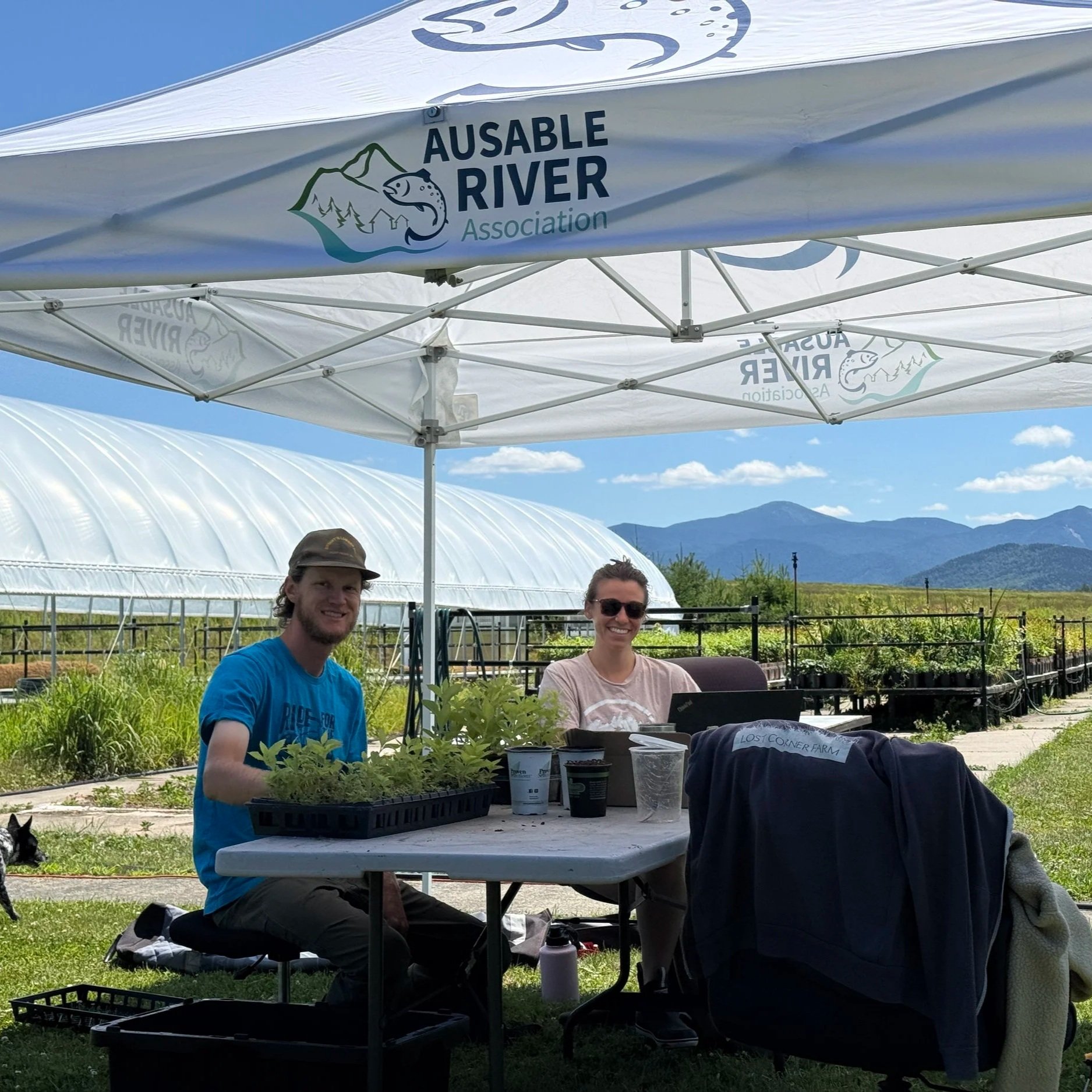
Ausable Freshwater Center
The Ausable Freshwater Center (AFC) restores streams and enhances ecosystem resilience in the Adirondack region. In 2024, AFC launched the Ausable Conservation Nursery (ACN) to propagate native plants for restoration projects, with funding from the Lake Champlain Basin Program, NEIWPCC, and private donations. Partnership with the Uihlein Foundation provides a laboratory and home for AFC's Water Quality and Biodiversity Research programs and supports various field research programs such as the Survey of Climate in Adirondack Lake Ecosystems, as well as the many other water quality and biodiversity research projects in the Ausable and throughout the Adirondack Park.
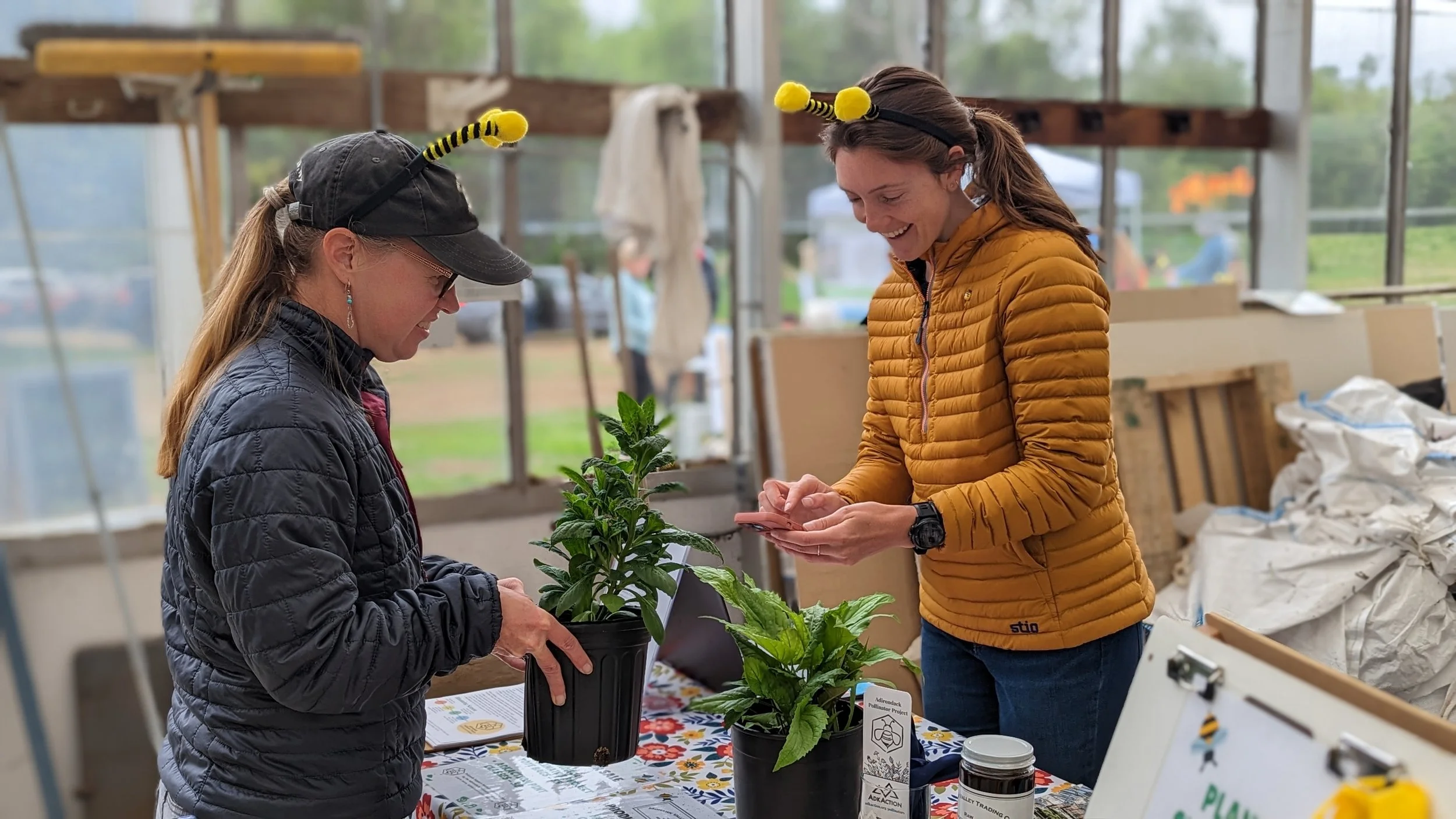
Adk Action
Uihlein Foundation (HUF) proudly partners with AdkAction to promote, plant and steward native habitat for pollinators. HUF acts as host to their Adirondack Pollinator Project at the Uihlein Farm greenhouse where Adk Action offers hands-on programs encouraging the creation of pollinator gardens. Preserving native habitat for bees and other pollinators plays an essential role in soil & water quality, food production and healthy native ecosystems. Each spring, dozens of AdkAction staff, board, visitors and volunteers plant native pollinator seedlings to be sold at the annual plant sale and Pollinator Festival at Uihlein Farm. To learn more about AdkAction’s vital programs and this year’s native plant sale, click here.
Adirondack Sports Council
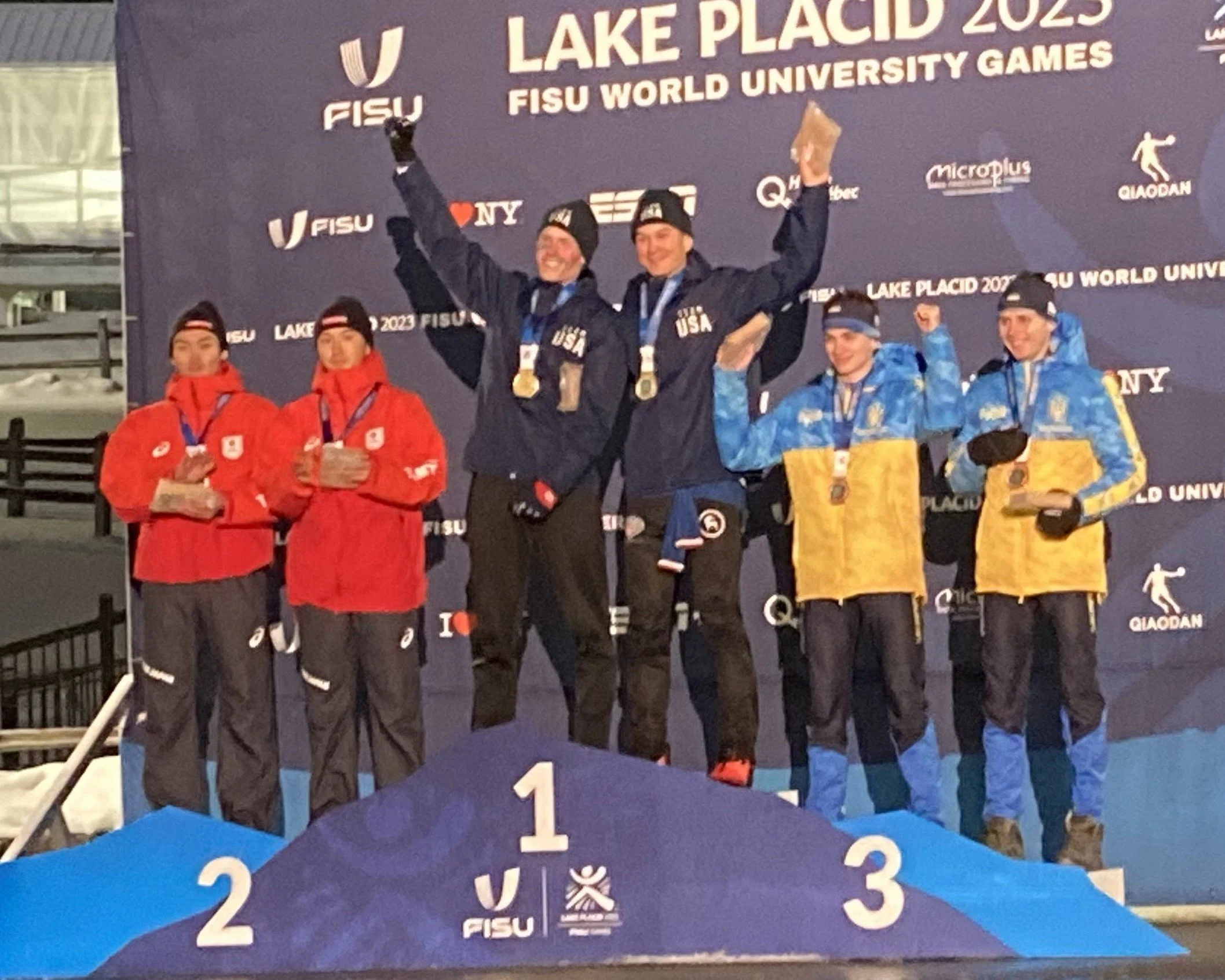
The Adirondack Sports Council (ADKSC) aims to educate, promote and encourage the public's interest and participation in local, regional, national and international sport competitions by leveraging the positive power of sport within our communities. Combining sport event management with sustainability expertise and creative engagement strategies, the ADKSC successfully supports athletes ranging from the recreational to the elite levels. The ADKSC has been a tenant at Uihlein Farm since 2022.

Adirondack Watershed Institute
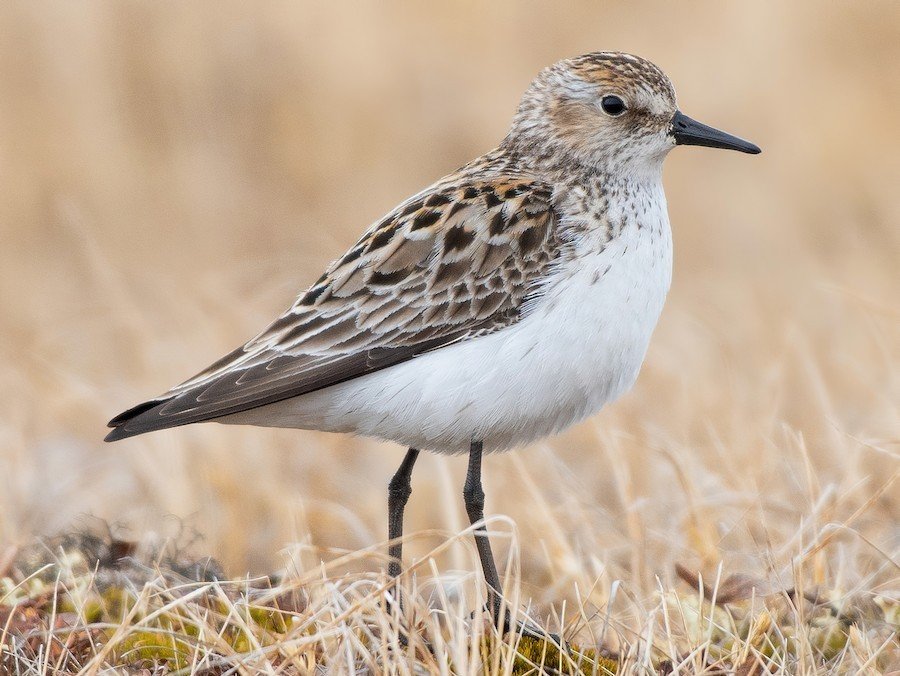
Grassland birds are among the most imperiled bird groups in the US and have declined precipitously over the last 5 decades due to habitat loss and changes in agricultural practices. Since 2019, the Paul Smith’s College Adirondack Watershed Institute (AWI) has collaborated with the Uihlein Foundation (HUF) to study and protect grassland birds at Heaven Hill and Uihlein Farm. HUF has supported efforts to understand grassland bird breeding and behaviors, implement protection measures, and improve habitat. Click below to learn more about these vital conservation efforts.
Motus Wildlife Tracking
In this international network of over 2435 tracking stations, researchers are able to utilize this new technology to increase our collective understanding of birds, their breeding grounds and their migratory patterns. The Uihlein Foundation is now a proud partner in this network and looks forward to contributing to this exciting hemispheric conservation effort.

NYS Mesonet Weather Station
A partnership between the Uihlein Foundation, NYS Mesonet and U Albany to measure air & soil temperature, wind speed, and rain and snow amounts to help scientists and weather prediction models to better understand the way our climate impacts life here in the Adirondacks.

New York Audubon
Properly managing forest habitat is important to support breeding and foraging opportunities for songbirds. In the fall of 2023, Audubon New York conducted a Forest Bird Habitat Inventory and Assessment of our maple forest as part of the foundation’s regional bird conservation efforts. The foundation is proud to have earned the seal of approval of “Bird Friendly Maple Forest”.

SUNY Potsdam Archaeology
Since 2017, the Uihlein Foundation entered into a partnership with Dr. Hadley Kruczek-Aaron and SUNY Potsdam to bring their Archaeology Field School students to Uihlein Foundation lands. Their goal was to uncover the rich cultural history of a series of early 19th century farmsteads on the land that had Timbuctoo connections. An archaeological study of the property’s early history and connection to the fascinating and historically significant inhabitants had not been previously undertaken here. This exciting work helps reveal the relationship people had with the land and the ways these early Adirondackers met the challenges of making Lake Placid their home.